Our craft
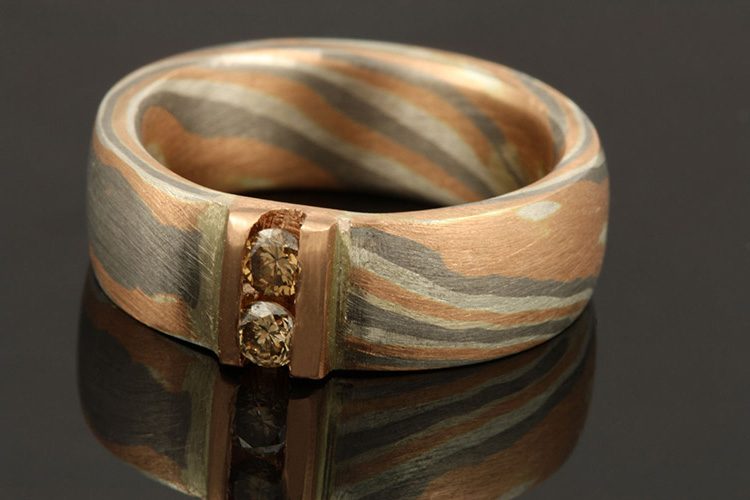
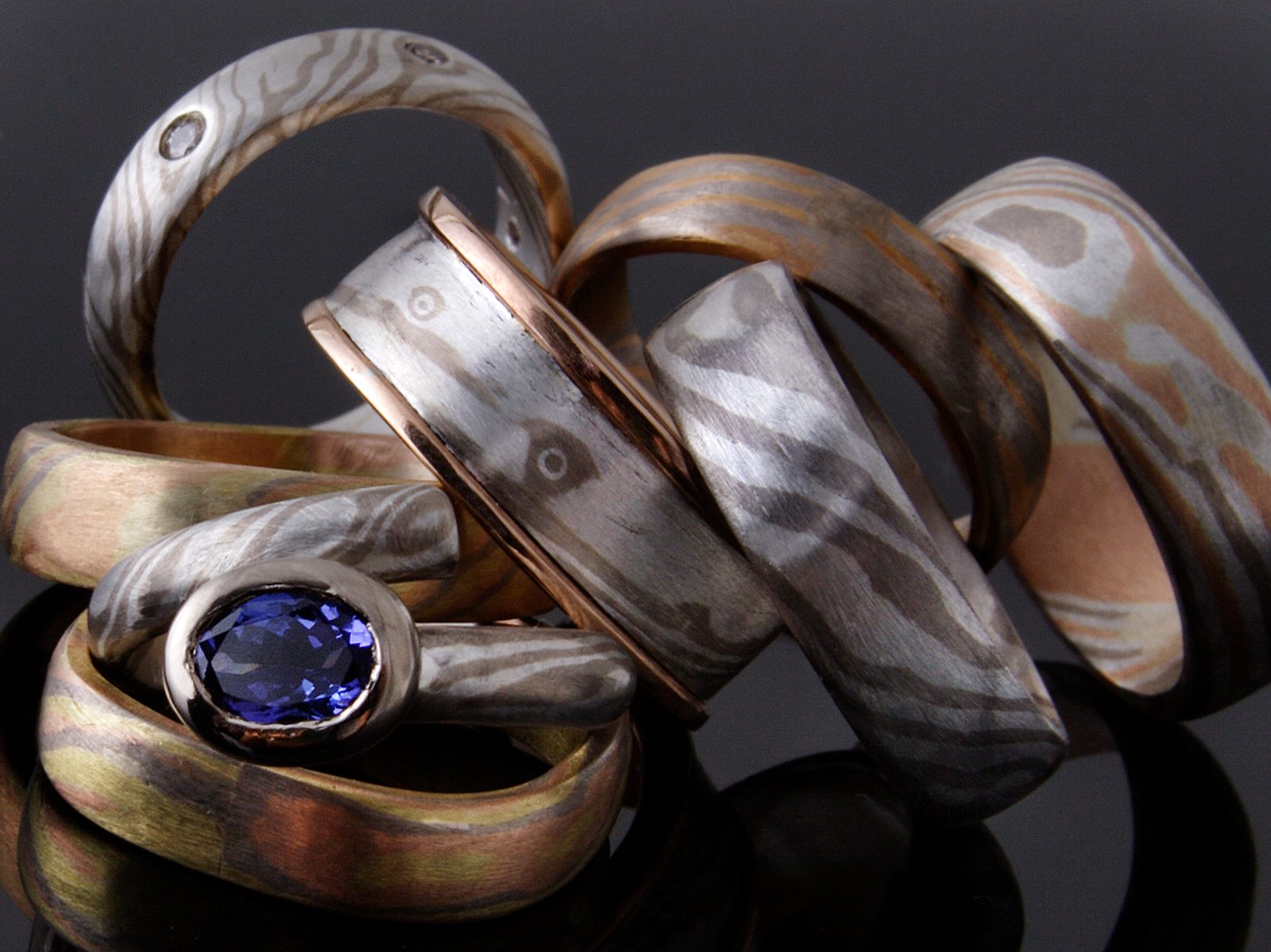
Yellow, rose and white golds, platinum, silver and shakudo fused under heat and pressure, then forged and carved until a pattern emerges that will never repeat. Four hundred years old, and still made by very few.
What it is
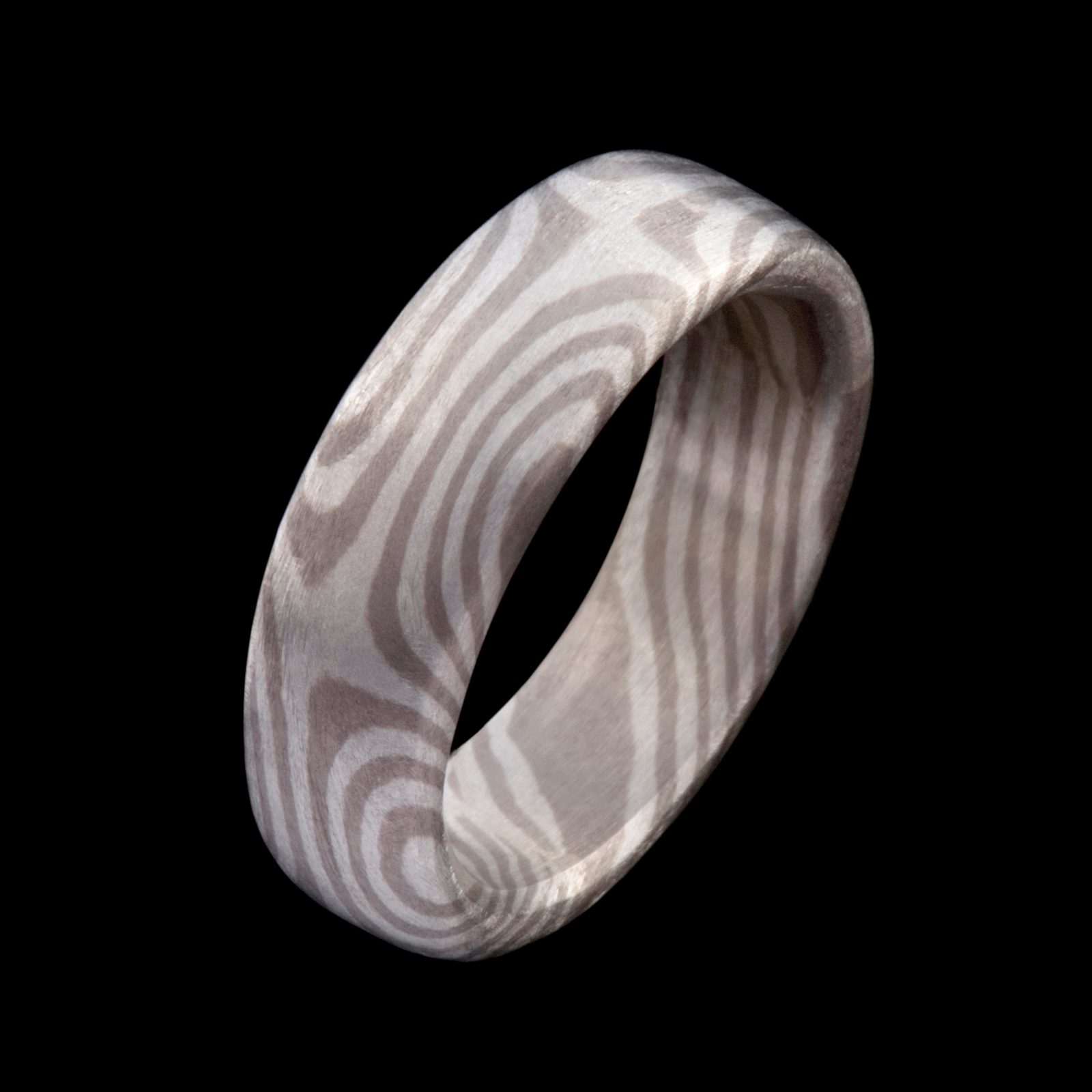
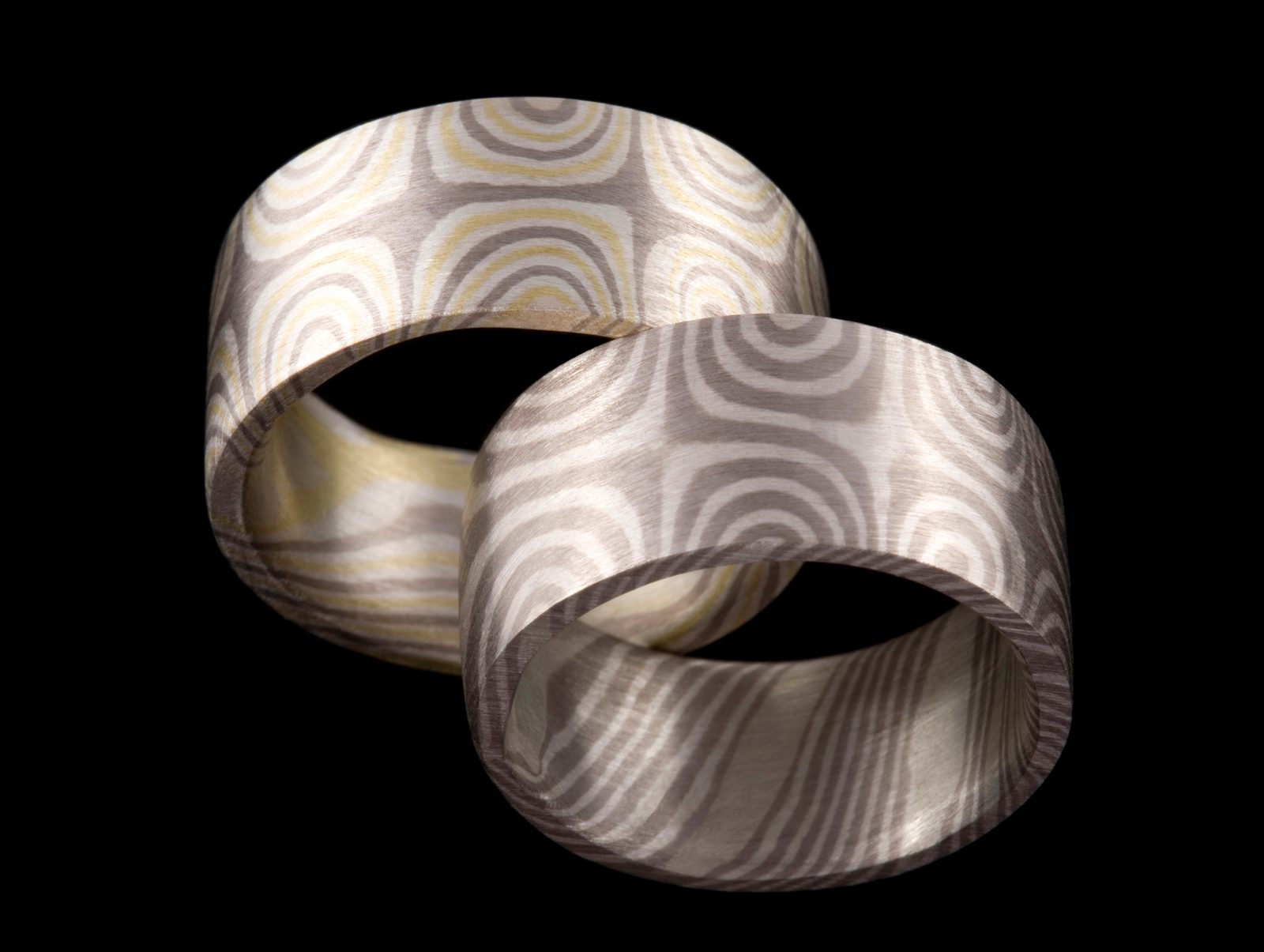
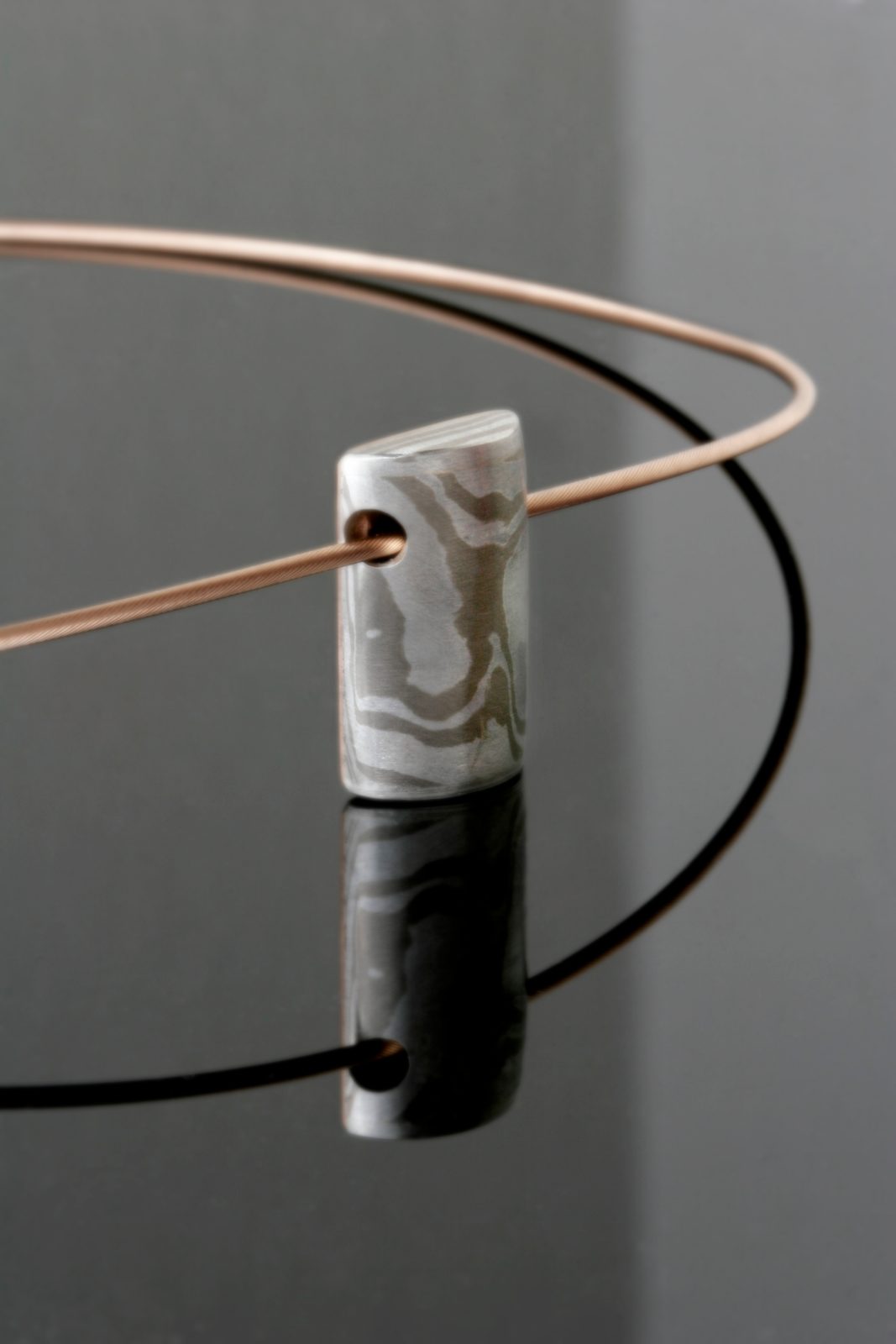
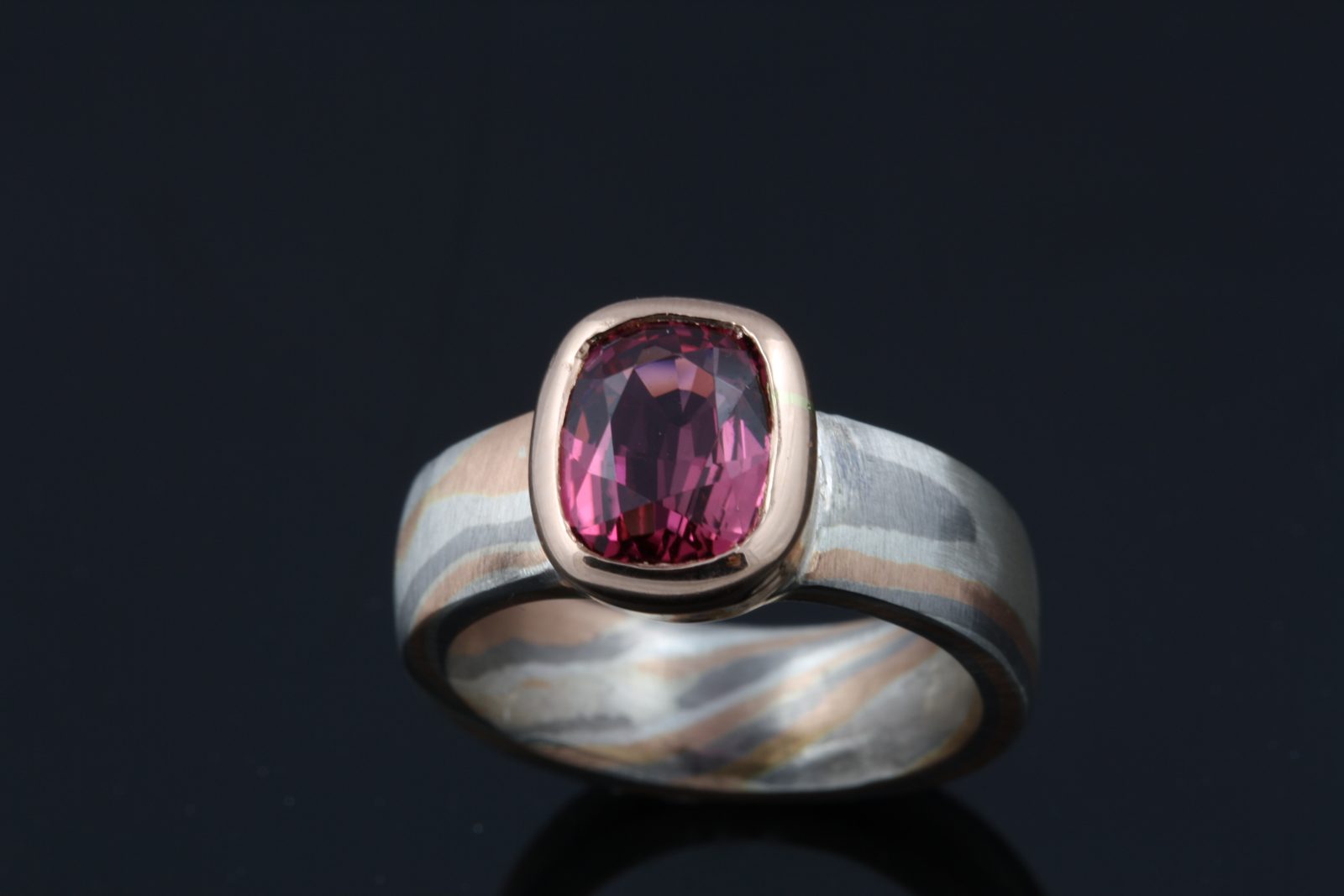
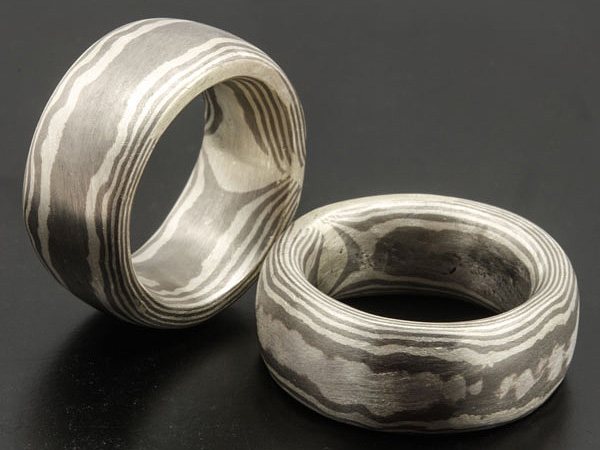
Mokume Gane is Japanese for wood-grain metal. The technique was developed in seventeenth-century Japan to decorate samurai swords: plates of different metals fused into a single block, then forged and cut so the layers show through as flowing, organic patterns.
Nothing is plated, painted or engraved. The pattern is the metal itself all the way through. That is what makes a piece of solid Mokume Gane so unusual and so hard to make.
Eytan has worked in Mokume Gane for more than twenty years. It is one of the studio's specialties, and the technique behind the Always Clock, the first clock ever made this way. With the clock, the technique took a twist: Mokume Gane became a way to tell a story. The map, fused from five metals, shows the land and the diversity of its people, joined to the Parliament House that swings beneath it.
How it is made
It is a long, exacting process, and the only way to get a pattern that runs right through the piece.
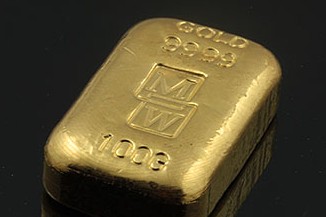
Every piece begins as pure metal: fine gold and silver, palladium, copper. These are alloyed into 18 karat yellow, rose and white gold, 22 karat gold, sterling silver, and shakudo, a Japanese alloy of copper and a small amount of 24 karat gold that goes near-black. Platinum is also used.
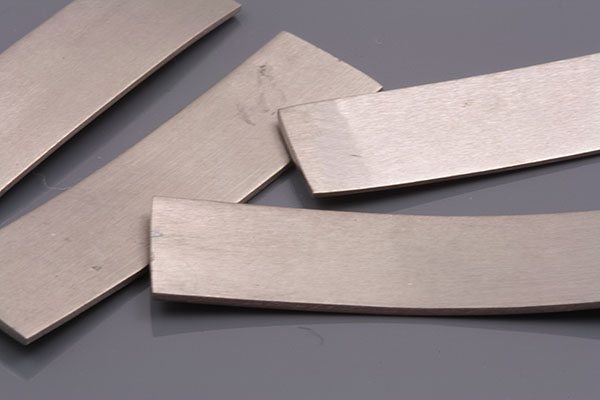
Each alloy is rolled into thin, flat plates with contrasting colours that will later create the patterns in your piece.
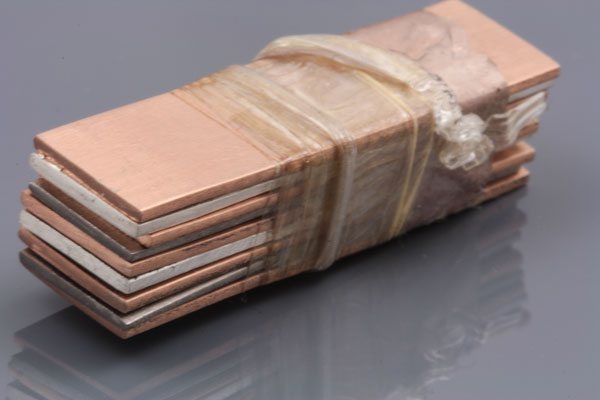
The plates are then stacked tightly in a specific order before they are bound together.
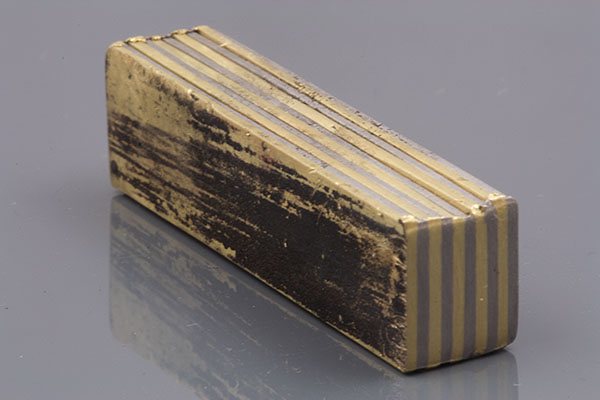
Under heat and great pressure the layers are fused into one solid billet. No solder is used. If any layer is even slightly off, the whole billet fails.
After hours of cooling, the billet is forged, twisted, carved and rolled. No two billets ever have the same pattern, which is what makes each piece a real one-off.
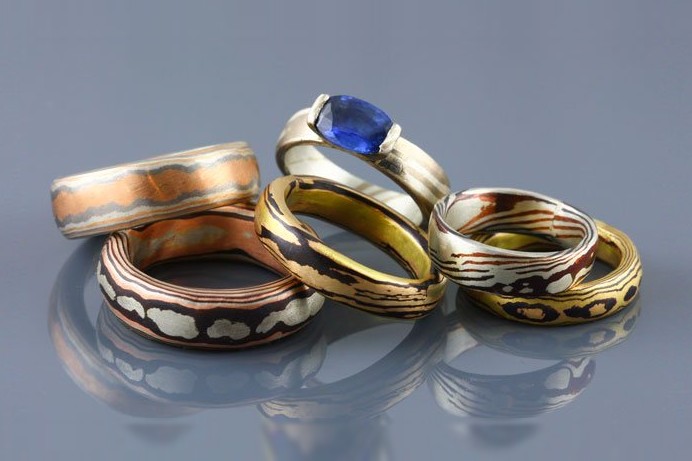
Only now is the piece made from the patterned billet. The finish is usually left matte so the colours of the different metals stand out.
Care
Any piece of jewellery worn every day picks up knocks and scratches, whatever it is made from. Heavy, solid pieces like these take a lot before they show it, but hands are busy.
Some people like the marks. They tell the story of who you are and what you do. Others prefer their pieces smoothed and cleaned, and we are happy to do that once a year. Every clean removes a little metal, so we would not recommend doing it more often than that.
There is no risk to the pattern. It runs right through the metal, and under each layer there are many more.
Pieces
Questions
Yes. The metals are fused into one solid piece under heat and great pressure, with no solder, and nothing is plated. Like any ring worn every day it will pick up marks, but heavy, solid pieces like these take a lot before they show it.
No. The pattern is the metal itself and runs right through it, and under each layer there are many more.
18 karat yellow, rose and white gold, 22 karat gold, platinum and sterling silver, with shakudo, a Japanese alloy of copper and a small amount of 24 karat gold that goes near-black. You choose the combination of colours.
Not exactly. No two billets ever have the same pattern, so every piece is a one-off.
A matte finish lets the colours of the different metals stand out, so the pattern reads clearly. If you prefer, we can polish it instead.
Wear it. Some people like the marks; others prefer their pieces smoothed and cleaned, and we are happy to do that once a year. Every clean removes a little metal, so we would not recommend it more often than that.
Yes. We make Mokume Gane engagement rings and wedding rings. A pair can be cut from one billet, so the two rings share a pattern without being identical.